
Unearthing the intriguing history of casinos A journey through time
The Origins of Gambling
The history of casinos is deeply rooted in the ancient practice of gambling, which can be traced back to the earliest human civilizations. Archaeological evidence suggests that the earliest forms of gambling began in China around 2300 BC, where rudimentary games involving dice were played. This fascination with games of chance spread across cultures, making its way to ancient Rome and Greece, where betting on chariot races and gladiatorial contests became commonplace. Such activities laid the groundwork for the structured gambling establishments we see today. As you explore this fascinating history, you might find resources such as https://westacecasino.org/ to enhance your understanding.
In ancient societies, gambling served not only as entertainment but also as a social bonding activity. Festivals and public events often included games of chance, which contributed to their popularity. The interaction fostered through these games helped build community ties, with the stakes often involving livestock, land, or even slaves. As societies evolved, so too did the complexity and legality of gambling, with laws beginning to shape how these activities were conducted.
The emergence of gambling as a regulated activity marked a significant turning point in its history. By the Middle Ages, various European nations began to formalize gambling, leading to the establishment of gaming houses in Italy and France. These venues catered to the elite, offering games like baccarat and chemin de fer, which would eventually become staples in modern casinos. This transition illustrates not just the allure of gambling but also its socio-economic implications, as wealth distribution influenced participation.
The Birth of Modern Casinos
The first official casino, the Casino di Venezia, opened in Italy in 1638, marking a monumental step in the evolution of gambling establishments. This venue was designed specifically for gaming, providing a dedicated space where patrons could indulge in a variety of games. The term „casino,“ derived from the Italian word for „little house,“ reflected the intent to create a more intimate and controlled environment for gambling. This innovation soon inspired other European countries to establish their own casinos, leading to a widespread proliferation of gambling houses across the continent.
The 18th century saw a surge in gambling’s popularity, especially in France, where the luxurious Casino de Spa opened its doors. Here, the melding of opulence and entertainment drew the aristocracy, who came to socialize, gamble, and enjoy various forms of entertainment. This emphasis on luxury and status fundamentally shaped the casino experience, creating an image that persists today, where casinos are seen as glamorous destinations for leisure and risk-taking.
In the 19th century, the rise of Las Vegas transformed the casino landscape in the United States. While the Gold Rush of the mid-1800s introduced gambling to the region, it wasn’t until the mid-20th century that Las Vegas emerged as the gambling capital of the world. The establishment of iconic venues such as the Flamingo by mobster Bugsy Siegel set the stage for a thriving industry, attracting tourists with promises of excitement and fortune. This marked a dramatic shift in how casinos were perceived, moving from the shadows of organized crime to legitimate entertainment venues.
The Psychological Aspects of Gambling
Gambling, at its core, taps into fundamental psychological principles that drive human behavior. The thrill of chance, the allure of winning, and the dopamine rush associated with risk-taking all contribute to the appeal of casinos. Research indicates that the brain responds to gambling in much the same way it does to other reward-seeking behaviors, such as eating or using substances, illustrating why it can become addictive for some individuals. Understanding these psychological triggers is crucial in examining the broader impact of gambling on society, especially when considering the responsibility associated with these activities.
The design of casinos plays a pivotal role in amplifying these psychological effects. From the moment patrons step inside, they are enveloped in a carefully crafted environment that stimulates excitement and optimism. The use of bright lights, captivating sounds, and strategic layouts keeps players engaged and encourages longer stays. Moreover, casinos often employ techniques like offering free drinks or using looser slot machines to create a sense of generosity, which can further entice guests to gamble more.
The dark side of this psychological allure is the potential for gambling addiction, which affects a significant portion of players. Compulsive gambling can lead to devastating consequences, including financial ruin and strained relationships. This reality underscores the importance of responsible gambling measures within the industry. Many modern casinos are now implementing programs that promote awareness and provide resources to help those struggling with gambling issues, acknowledging the importance of balance in the gaming experience.
The Evolution of Casino Technology
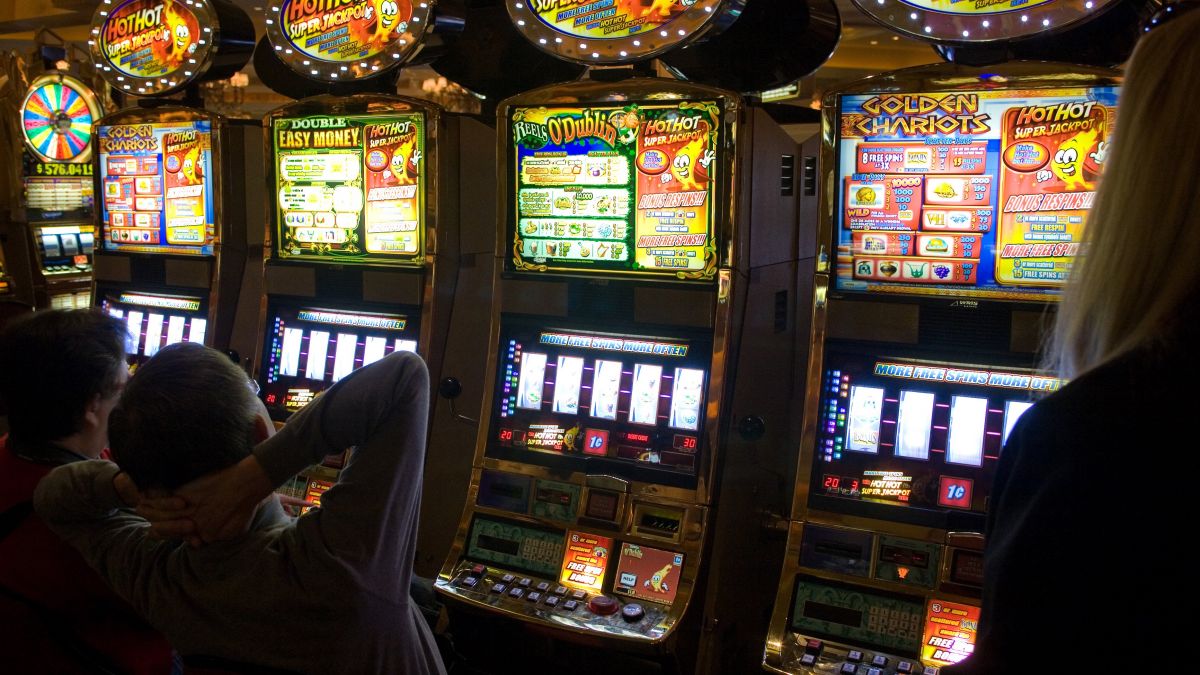
The technological advancements in gambling have been staggering, with innovations transforming the landscape since the early days of simple dice games. The introduction of slot machines in the late 19th century revolutionized casino gaming, offering a game that required no skill and promised instant gratification. These machines quickly became a staple of gambling establishments, paving the way for the massive variety of games available today. Their evolution from mechanical devices to digital screens has significantly influenced how players interact with games.
In recent years, the emergence of online casinos has further reshaped the gambling landscape. The internet has provided unprecedented accessibility, allowing players to enjoy their favorite games from the comfort of their homes. This transition has also given rise to innovations such as live dealer games, which blend the convenience of online gambling with the immersive experience of traditional casinos. Players can engage with real dealers in real-time, thereby enhancing the social aspect that many seek in a casino environment.
Moreover, advancements in mobile technology have propelled the industry even further. As smartphones become ubiquitous, many casinos are now optimizing their offerings for mobile platforms, allowing for seamless access to games on the go. This evolution is not just about convenience; it’s about reaching a broader audience and catering to modern preferences. As technology continues to advance, the future of gambling promises even more exciting changes, redefining what it means to experience a casino.
Westace Casino: A Modern Gaming Experience
Westace Casino epitomizes the evolution of the casino experience, combining traditional gaming elements with cutting-edge technology to create a unique platform for players. Launched in 2023, it offers an extensive array of slot games and live dealer options, catering to both casual players and serious gamblers alike. The user-friendly interface ensures that players can navigate the site effortlessly, enhancing the overall gaming experience.
One standout feature of Westace Casino is its generous Welcome Package, which offers a remarkable 400% bonus up to €15,000 and 400 free spins. This impressive offer not only attracts new players but also provides them with ample opportunities to explore the diverse gaming options available. Additionally, the casino emphasizes security and fairness, ensuring that all transactions are safe and that players can engage in responsible gaming.
With its commitment to player satisfaction, Westace Casino operates 24/7 customer support, ready to assist with any inquiries or issues that may arise. This dedication to service reflects the modern approach to online gambling, where player welfare and engagement are prioritized. By combining traditional gaming elements with innovative practices, Westace Casino is positioned as a leader in the ever-evolving world of online gaming, continuing the rich history of casinos into the digital age.