
Okay, so check this out—I’ve been chasing the „perfect“ DeFi wallet for years. Seriously, every few months there’s a shiny new option promising less friction and more security. Wow. My instinct said: trust but verify. At first I thought the usual suspects had it all figured out, but then I kept tripping over tiny UX traps and vague approval screens. Something felt off about clicking „Approve“ five times for one swap… and I wasn’t alone.
Here’s the thing. I use wallets for real work: bridging, farming, contract interactions, gas optimization — the whole messy stack. My gut told me I needed clearer transaction previews and better multi-account management. Initially I thought extensions were all the same; then I dug in and found subtle but impactful differences. On one hand, some wallets lean heavy on simplicity, which is great for newcomers. On the other hand, power users — like many of you reading this — need nuance: simulation, gas controls, and multi-chain clarity. Hmm… that combination is rare.
I’m biased, but rabby wallet started showing up in my workflows and honestly surprised me. There’s a thing they do that bugs most competitors: they simulate transactions and surface the results before you sign. Really? Yes. That one change reduced my failed swaps and costly mistakes in a week. My first impression was „nice UI“, but then the features began to matter in ways that actually saved me money — and time — which is huge.
Small UX choices that add up
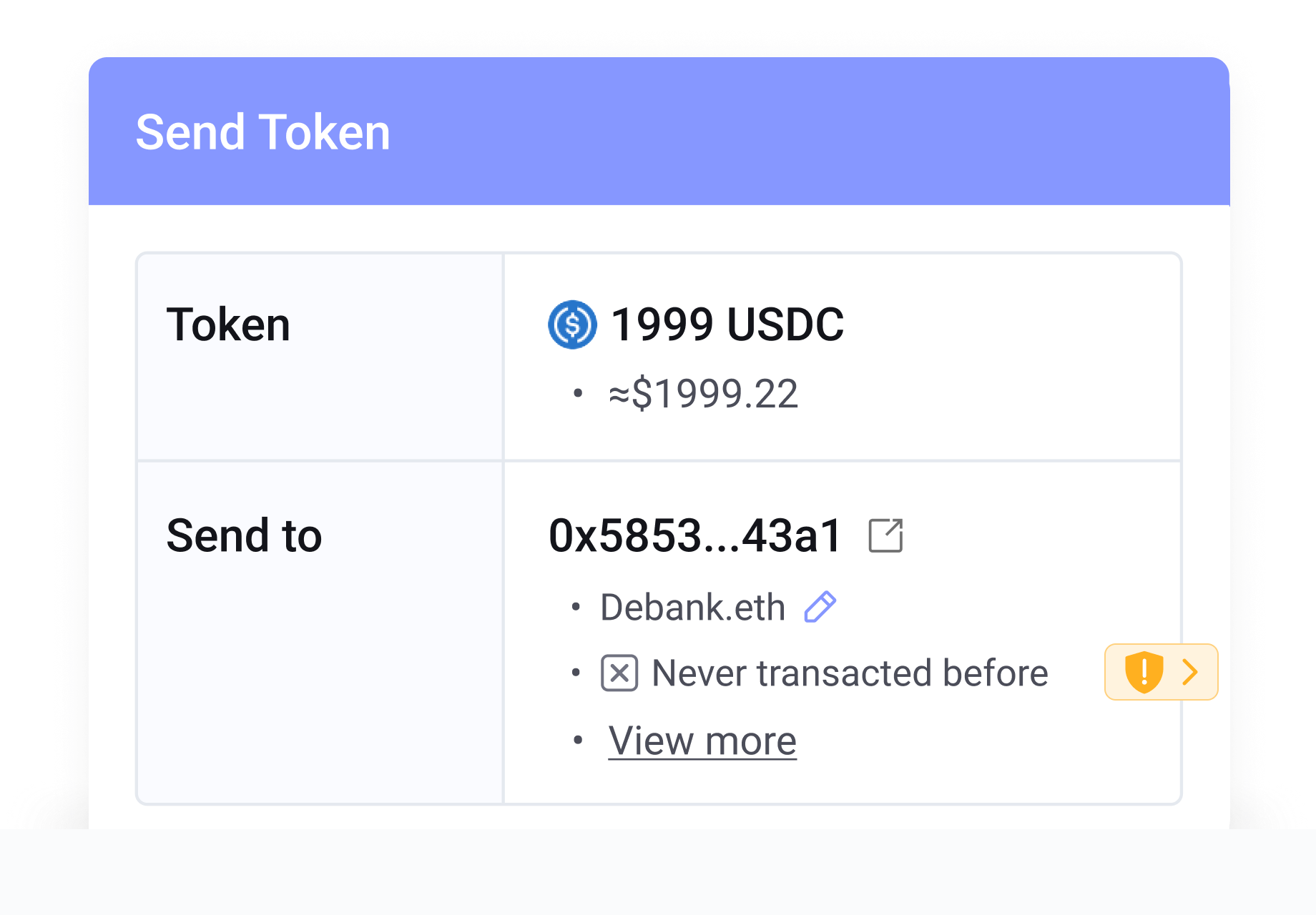
Let me be blunt. Small things matter. Short confirmation texts, clear token icons, and explicit allowances prevent mistakes. I noticed Rabby handles token approvals differently — it groups and explains them. Initially I thought that was just nicer wording. Actually, wait—let me rephrase that: it’s more than wording. The wallet’s simulation layer shows you slippage, gas, and potential reverts before you hit confirm. That predictive layer changed my behavior. I double-checked contracts less, and trusted the UI more. That trust is earned.
There’s also multi-account flow. I juggle a custodial, a hardware, and a burner account. Rabby made switching smooth without breaking context. On one hand it keeps complexity hidden; though actually, when you need control it surfaces deep options. That balance is rare; most tools either hide everything or overwhelm you. My practice sessions (yes, I do those) were faster. Oh, and by the way… the devs seem attuned to power workflows — gas bumping, nonce management, and chain-specific tweaks are there when you need them.
Transaction simulation: more than a checkbox
Whoa! Transaction simulation is not just a novelty. Imagine sending a swap that looks safe but will revert after spending gas. Ugh. Been there. Rabby’s simulation tells you likely outcomes, including whether the call will revert or if slippage will wipe your gains. My working theory used to be that these simulations are only marginally useful, but real data changed my mind. After a few simulated saves (no pun intended), I avoided a bridge that would have stranded funds during a maintenance window. Lesson learned: seeing is believing.
On the analytic side, the simulation also estimates the state changes and gas profile. That helps when you need to batch transactions or use meta-transactions. I should note limitations: simulations are heuristics, not guarantees. Sometimes on-chain state changes between the simulation and execution. So yes, still be cautious. But it’s better than walking blind.
Security and permission clarity
I’m going to be honest: permission sprawl is the worst. Approve a token once and it feels like you gave away a kidney. Rabby makes approvals explicit and practical. They offer „revoke“ guidance and show a simple history of allowances. That nudges you to clean up stale permissions — and trust me, that matters. My instinct said „do it later“ and later is usually when you forget. Now I do it sooner.
There’s also hardware wallet integration. I tested with a common ledger-type flow. It was straightforward and didn’t require constant UI gymnastics. For me, compatibility with hardware signers is non-negotiable; if you’re reading this and you use one, you’ll appreciate the smoothness. The wallet doesn’t claim zero trust (no honest tool can), but it reduces accidental exposures.
Where Rabby shines for power users
Here are the parts that keep me coming back:
- Transaction simulation before signing — immediate, actionable insights.
- Clear allowance management — quick revocations without hunting through dapps.
- Multi-account and hardware compatibility — practical for complex setups.
- Intelligent gas controls — adaptive but tweakable when you need precision.
Those features sound obvious in hindsight. They weren’t to me until I saw them in action. On a personal note, this part of the toolchain suddenly felt like it was built by people who actually use DeFi daily — which, oddly, is still uncommon.
What still needs work
There’s always trade-offs. Rabby is improving fast, but it’s not perfect. For example, cross-chain asset labeling can be inconsistent at times — token symbols sometimes collide across networks and need manual verification. Also, some advanced analytics (like on-chain MEV risk scoring) are still light. I’m not 100% sure how often those gaps will bite typical users, but they matter for high-frequency traders or people moving large positions. I’m not saying avoid it — just be mindful.
Another nit: onboarding for non-technical folks could be friendlier. I caught a few UX micro-frictions when I handed the wallet to a less experienced friend. They got through it, but I had to explain allowances and simulations in plain terms. That said, the documentation and community resources are getting better.
FAQ
Is Rabby safe to use for large holdings?
Short answer: it’s safer than many browser wallets because of simulation and permission tools, but never store your life savings in a hot wallet. Seriously? Use hardware wallets for long-term cold storage, and use Rabby as an operational tool for active management. My rule: keep only what I plan to move or trade in the hot wallet.
Does Rabby work across chains?
Yes. It supports multiple EVM chains and some non-EVM integrations depending on updates. It makes switching reasonably painless and shows chain-specific gas and token data. Still, verify bridge and cross-chain operations carefully — bridges are inherently risky.
Can I revoke approvals easily?
Yes, the wallet surfaces allowances and provides revocation guidance. It’s not automatic revocation, but it makes the process much less painful. I find myself revoking stale approvals weekly now — which is good. Very very practical.
So what’s my takeaway? Rabby isn’t a marketing pitch; it’s a tool that solved specific pain points I had: clearer transaction previews, fewer accidental approvals, and better multi-account workflows. I’m not saying it replaces every wallet in your stack. On the contrary — I’d still pair it with a hardware signer and cold storage. But for daily DeFi ops, it reduced friction and kept me from making dumb, costly mistakes.
Okay, final note — I’m curious what you’ll find. Try it on a small trade. If nothing else, the simulation will make you think twice before confirming. And if you like poking under the hood like I do, you’ll appreciate the way it nudges smarter behavior. Hmm… I wonder what they’ll build next.