
The Allure of Casino Games
The psychology behind casino games is deeply rooted in the allure they present to players. The vibrant lights, the sounds of spinning wheels, and the atmosphere of excitement create a sense of euphoria that many find irresistible. This sensory overload is designed to stimulate the mind and encourage players to engage more deeply with the games, especially at neo spin casino , where the combination of anticipation and potential rewards plays a significant role in drawing individuals into the world of gaming, making it an attractive escape from everyday life.
Moreover, the architectural design of casinos is meticulously planned to enhance this allure. Games are strategically placed to maximize exposure, encouraging players to move from one area to another, appealing to their sense of curiosity and competition. This environment fosters a desire to explore, with many feeling compelled to try their luck on various machines or tables, heightening their emotional investment and leading to potentially prolonged gaming sessions. The careful arrangement of games ensures that players remain engaged, making the experience more immersive.
Finally, the role of social dynamics in casinos cannot be overlooked. Many games thrive on interaction, whether through table games where players share their experiences or slot machines that create a sense of camaraderie among those gathered around. This social element can amplify feelings of enjoyment and encourage players to return, creating a community that feels welcoming and enticing. The intricate web of psychological factors underscores the powerful grip that casinos have on human behavior, making the casino experience a unique blend of entertainment and social interaction.
The Role of Risk and Reward
Risk and reward are central themes in casino games, appealing to the human instinct to seek thrills. The excitement of placing a bet is often accompanied by the anxiety of losing, which can create a unique mix of emotions that players find thrilling. This concept of risk-taking is deeply ingrained in our psychology; for many, the potential for a substantial payout can overshadow the fear of loss. As a result, players often engage in gambling behaviors that would be considered reckless in other areas of life, driven by the prospect of a life-changing win.
Cognitive biases also play a significant role in how players perceive risk and reward. For instance, the illusion of control is a common phenomenon where players believe they can influence the outcome of a game, such as rolling dice or spinning a wheel. This belief empowers their play, making them more likely to take risks in hopes of achieving a win. Such cognitive distortions often lead to gambling behaviors that prioritize the potential rewards over logical assessments of risk, reinforcing a cycle of behavior that can be difficult to break.
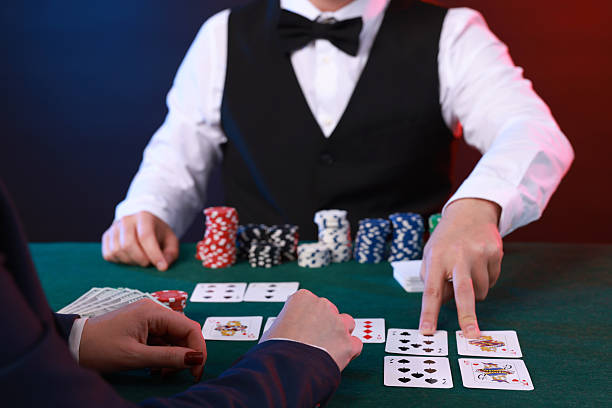
Furthermore, the variable reward structure of many casino games adds to their addictive potential. Unlike fixed rewards, variable payouts create a sense of unpredictability, which can be exhilarating. The brain’s reward system is stimulated by these unexpected wins, triggering dopamine releases that reinforce the behavior. This cycle of anticipation and reward can lead to prolonged engagement, as players continue to chase the high of a potential win, often overlooking the more significant risks involved. This dynamic creates an environment where the thrill of gambling can overshadow the rational assessment of potential losses.
The Impact of Emotions on Player Behavior
Emotions play a crucial role in determining player behavior in casinos, significantly affecting decision-making processes. When players are in a euphoric state, they may be more likely to gamble larger amounts, driven by the adrenaline rush associated with winning. This heightened emotional state can create a feedback loop where the excitement of gambling encourages even more risk-taking, often leading to impulsive decisions that players might not make in a calmer state of mind. The intoxicating blend of hope and excitement can make it challenging to step away from the gaming table.
Conversely, negative emotions can also influence gambling behavior. Feelings of sadness or frustration may lead players to gamble in an attempt to escape their problems, a phenomenon known as „escape gambling.“ In these situations, the act of playing becomes less about the enjoyment of the game and more about using gambling as a coping mechanism. This can lead to significant escalation in play, creating cycles of loss that intensify the emotional need to recapture previous highs. The emotional rollercoaster of gambling can thus create a precarious balance between enjoyment and addiction.
The interplay between emotions and gameplay is further complicated by concepts like the „gambler’s fallacy,“ where players believe that past outcomes influence future results. When players are emotionally charged, they might cling to these erroneous beliefs, persuading themselves that a winning streak is due or that they are „due“ for a win. This sometimes irrational thinking not only affects the amount of money wagered but can also lead to problematic gambling behaviors, making understanding this psychological aspect vital in addressing gambling addiction and promoting responsible gaming practices.
Behavioral Activation and Player Engagement
Behavioral activation is a psychological concept that can offer insights into player engagement in casino environments. This theory posits that engaging in certain behaviors can lead to positive emotions, which is particularly relevant in the context of gaming. Casinos exploit this by creating a carefully curated experience that activates players’ behaviors, encouraging them to play more often and for longer periods of time. The thrill of gaming, coupled with the potential for large payouts, creates a compelling draw that keeps players coming back, reinforcing their commitment to play.

The layout of games, promotions, and even the timing of rewards are all strategically designed to maximize engagement. For instance, a player who wins at a slot machine may be more likely to continue playing immediately after because of the positive reinforcement experienced. This phenomenon is akin to operant conditioning, where behaviors are reinforced through rewards, leading to repeated actions. Casinos employ these strategies extensively, ensuring that players remain in a state of excitement and motivation to continue their gaming experience, often at the expense of rational decision-making.
Additionally, leveraging social proof can further enhance behavioral activation, as seeing others win can evoke envy or excitement. Players often feel motivated to join in, believing they too may experience similar success. The interconnectedness of behavioral activation and social dynamics in casinos creates a powerful environment where players feel compelled to engage, highlighting how psychological factors are intricately tied to gaming behavior. This sense of community and shared experience can amplify the thrill of gambling, making it a more appealing pursuit for many individuals.
Understanding Casino Culture and Its Implications
The culture surrounding casinos plays a significant role in shaping player behavior and expectations. This culture often glorifies winning while minimizing the risks associated with gambling. Players frequently encounter narratives that celebrate big winners, creating a perception that significant payouts are commonplace. This cultural element can skew individuals’ perspectives on gambling, making them more prone to engage in wagering behaviors without fully comprehending the odds stacked against them. This skewed perception can contribute to irresponsible gaming habits and increased financial risk.
Moreover, the normalization of gambling in popular media influences how individuals perceive casino games. Movies, television shows, and advertisements often romanticize gambling, portraying it as glamorous and exciting while neglecting to address the potential negative consequences. This pervasive portrayal can lead to an underestimation of the risks associated with gambling, fostering attitudes that encourage participation regardless of the personal implications. As a result, individuals may enter casinos with unrealistic expectations, further complicating their relationship with gambling.
It’s crucial to recognize that understanding casino culture can help in addressing issues related to gambling addiction. Awareness initiatives aimed at educating players about the risks, odds, and potential psychological traps can contribute to more responsible gaming behaviors. By fostering a culture of informed players, casinos can promote healthier gaming practices that prioritize enjoyment while reducing the risk of addiction and its associated harms. Creating an environment where players are encouraged to think critically about their gambling choices can lead to a more sustainable and enjoyable gaming experience.